Tuesday, September 27, 2016

Sickle Cell Disease results in a promise to become a nurse

                                                                                          Cassandra Dobson, DNSc, MSN, BSN


September is Sickle Cell Disease Awareness month. A review of articles related to nurses who live with sickle cell disease shed the spotlight on Dr. Cassandra Dobson. 

As a child she was hospitalized in a severe sickle cell crisis. She recalls talking with God and saying,     

Get me out of this big guy and I'll become a nurse! 

And, that is exactly what she did. She became a nurse, professor, author and tireless, award winning advocate for patients with sickle cell disease. She is also an advisory board member of the Queens Sickle Cell Advocacy Network.

Cassandra received a scholarship from Columbia University to complete her dissertation on "Guided Imagery for Pain Management by Children with Sickle Cell Disease Ages 6 to 11."

Please read more about her journey and listen to a New York Times interview. 

We salute your work Dr. Dobson!

With thanks,

Donna


http://www.sctpn.net/1viralvoice/dinner/cassandra-dobson-2013-honoree/

http://www.nytimes.com/interactive/2011/03/02/health/healthguide/te_sicklecell.html?ref=health

http://www.qscan.org/board-members-staff/


Thursday, September 22, 2016

Hurricane Hugo: Remembering nurses who worked through the storm


Around midnight on September 22, 1989 Hurricane Hugo made landfall just north of Charleston, South Carolina at Sullivan's Island as a Category 4 storm with estimated maximum winds of 135-140 mph. Hugo produced tremendous wind and storm surge damage along the coast and even produced hurricane force wind gusts several hundred miles inland into western North Carolina. At the time, Hugo was the strongest storm to strike the U.S. in the previous 20-year period and was the nation's costliest hurricane on record in terms of monetary losses (~$7 billion in damage). It is estimated that there were 49 deaths directly related to the storm, 26 of which occurred in the U.S., Puerto Rico, and the U.S. Virgin Islands. 
http://www.weather.gov/ilm/HurricaneHugo
Imagine how many nurses worked through the storm. Were they injured? Did they suffer from PTSD? Did they receive mental health counseling following the storm?
Margot Withrow and John Owen share vivid details of working through the storm. 
“I was recruited to a hospital in Charleston. I started on Monday with an eight-hour orientation and Hurricane Hugo hit that Thursday. When the storm started to make the news the day before, my dad called and urged me to come back home, but I felt I couldn’t “desert the ship.” The travel company said they couldn’t ask us to stay and risk our lives, but made a verbal promise of a $1,000 bonus if we stayed and worked. I stocked up on Sternos and Vienna sausages.    
When I went to work Thursday morning, it was raining “cats and dogs.” I worked 12 hours, then took a cold shower in an operating room and went to catch some sleep in a converted room on a hospital ward. The windows were taped to prevent shattering. Transformers popped like fireworks and cars were floating in the water.

In the moment before the power went out, the TV announced that Hugo was here. The windows blew out, and I moved to the hallway fighting back panic. The backup generators took over. While sitting in a wheelchair in the hall with my head against the wall, I could feel the steel beams moving. I felt I was going to die—oddly peaceful.

An elderly woman coded. The elevators were out and she had to be carried up four flights of steps as emergency response continued. The unit was crazy. Ventilators cut on and off. The patients had to be manually bagged by lay staff and therapists.

In 40 hours, I had maybe 20 minutes sleep and had to face another 12-hour shift. The lab had flooded and the ICU had no windows. The head nurse hadn’t made it in due to the weather, so as the RN, I was in charge of the ICU with six patients, all on ventilators. Of the other two licensed practical nurses, one had no ICU experience and the other had forgotten her blood pressure medicine.
 The septic system had backed up and the smell was awful. I wondered constantly what I had forgotten to do... And then a freshly showered resident turned up asking for labs. I wondered where he had been.

By Friday, the hospital had run low on food but the roads were said to be passable. Trees were down and the National Guard was out. It was like a warzone. I felt addled and disoriented. I was off for the weekend.


While the hospital had generators, my apartment was without power for three weeks. Some weeks later the travel company sent a letter of commendation thanking all who had stayed and risked their lives. The bonus was only $100.


After the Storm

     In April, I began seeing a therapist weekly, at first for weight issues but later with a diagnosis of depression and PTSD. I did this on my own dime, picking up extra shifts to cover. I had survivor’s guilt and often second-guessed myself, not to mention suffering anxiety in thunderstorms. My insurance didn’t cover the therapy. Because of the stigma associated with mental health issues, I feared losing my job if I were to tell anyone.”

Read more of this story written by Margot Withrow and John Owen in chapter 12 "One straw too many: Nursing through blood clots, depression and Hurricane Hugo" in The Exceptional Nurse: Tales from the trenches of truly resilient nurses working with disabilities 
Please feel free to share your thoughts.

With thanks,


Donna

Friday, September 16, 2016

Remembering nurses who survived childhood cancer


During September, Exceptional Nurse shines the spot light on childhood cancer survivors who later became nurses. Some childhood survivors even returned to work with patients with cancer in hospitals where they received treatment. Here are a few examples. 

Shelby Robin
Shelby Robin, pediatric clinical nurse and Ewing's sarcoma survivor works in the same hallways, at the University of Texas MD Anderson Cancer Center, where she was treated at the age of 12.

                                                                             Sara Ferrante
Sara Ferrante was diagnosed with a rare form of liver cancer, hepatoblastoma, at two months old. She went through nine rounds of chemotherapy and surgery to remove 80% of her liver. Sara has remained cancer free and works as a registered nurse with the same pediatricians who were her physicians during treatment. 

                                                                    Samantha Loos-Polk  
Samantha Loos-Polk was inspired to become a nurse because of her own life changing journey with cancer at the age of 14. She won the battle with cancer, attended nursing school and landed her her dream job at Texas Children's Hospital Oncology Department to work on the floor where she was treated.

Sarah Fruendt 

Sarah Fruendt works at Levine Cancer Institute 10 years after being treated for acute lymphocytic leukemia at Levine Children's Hospital. Sarah was diagnosed and treated at about 2 years old. She was in remission until the age of 8. After additional treatment, she has been in remission for over 12 years.

Congratulations and best wishes to all of you!

With thanks for all you do,

Donna

Read more about these remarkable nurses:


http://blogs.carolinas.org/dailydose/former-patient-becomes-a-nurse-to-help-others-with-childhood-cancer/

Saturday, September 10, 2016

Deaf Nurse helping to break the sound barrier


Lucy Eels, RN 

Lucy Eels shared her story in a blog post for "Break the Sound Barrier" the Australian national campaign to make hearing health and well-being a national health priority. 

 "During my three years course I have faced many challenges as a deaf student. For example, the loop system was never turned on and despite my effort communicating with the disability officer nothing was done about it which meant I missed out on a lot of information in classes. There was lack of support for a deaf person in place, I was informed that I was the first person to be deaf and to attended that particular university which resulted in many issues due to lack of deaf awareness."

"During my 2nd year placement I was asked to wear a badge saying ‘I am deaf,’ what gives my mentor the right to request this? You wouldn’t ask a person of different race to wear a badge saying, for example, ‘I am black.’ It is wrong. I obviously declined her request to wear the badge. She went on to explain that it would be very unsafe for me to practice without a badge, just because I was deaf. I had many health assessments completed prior to starting my course and passed these requirements."

"I managed to complete my course and landed my first job as a nurse on a general mixed surgical and medical ward, everything went well."

"It is highly likely that I will face further challenges if we don’t act now. We must raise awareness and break the sound barrier together as a team. I would like to see people with hearing loss having the same equal rights as hearing people. My message to the public is that people with hearing loss are more than capable of working in a health setting whether you’re considering to become a nurse, doctor, occupational therapy and etc."

"Fight for your right and show what you can do!"

Read more of Lucy's story at:
http://breakthesoundbarrier.org.au/stories/deaf-nurse-lucys-story/

Please share your thoughts below.

With thanks,

Donna

Saturday, August 20, 2016

A message for nurses with disabilities from Neil deGrasse Tyson, the astrophysicist


What could an astrophysicist have to say that could help or inspire nurses or nursing students with disabilities? 
A brief glimpse into a fun, uplifting dialog with an 8 year old will shed light.

                       Neil deGrasse Tyson

During a question and answer session, a young girl asked Neil deGrasse Tyson: 


 "In your field do you have someone that is dyslexic?

His answer was spot on! 

Neil deGrasse Tyson talked about how his colleagues and co-workers with ADD, dyslexia and autism spectrum disorder cope with not being what some people consider "normal". He stated, "having a learning disability doesn't mean you can't do the things you love. It just means you might do them a bit differently". 

He went on to share examples of how people compensate and adapt to the situations they are in. 

"If a person is dyslexic, they know they're a bit slower at reading, so they make extra time in their workday for reading."

 "Or, if a person has social anxiety, or isn't comfortable making small talk, or has trouble reading social cues, the great thing about the field of science is that it doesn't matter as much as the work you do."


The resounding message was--


"In the Olympics what do you do when you come to a hurdle?


You jump over it!"


You can listen to the presentation and read more by clicking on the link below. 

Love to hear your thoughts! 
Donna

http://www.upworthy.com/a-girl-asks-neil-degrasse-tyson-if-he-knows-any-dyslexic-scientists-he-responds-with-showmanship

Saturday, August 6, 2016

Top nurse authored books about disability

Are you interested in reading or recommending a book about disability? Why not consider a book written by a nurse with a disability? 

Here are some of the best!


                                                    Patricia Holloran, RN                                             Beka Serdans, RN

                                                                                                         
                                                                                                   Marina Abdel Malak, RN

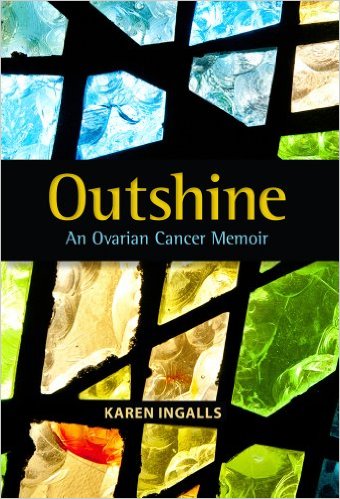
                                                   Karen Ingalls, RN                                                      Brooke Katz, RN 


            Donna Maheady, ARNP


  Donna Maheady, ARNP


                                                  Cleo Graham, RN                                                 Christine Molloy, RN


          Anita Lesko, RN
                                                                                                        Kristin Labott, RN


Enjoy and please let me know what you think! Would you add any others to the list?

With thanks,

Donna


https://www.amazon.com/Walking-Like-Duck-Addiction-Recovery/dp/0595346537/ref=sr_1_1?s=books&ie=UTF8&qid=1468698026&sr=1-1&keywords=walking+like+a+duck

https://www.amazon.com/Im-Moving-Two-Rebecca-Serdans/dp/0738828459/ref=sr_1_1?s=books&ie=UTF8&qid=1468698167&sr=1-1&keywords=im+moving+two

https://burnstownpublishing.com/product/recipe-for-recovery-i-battled-and-overcame-an-eating-disorder-and-you-can-too/

https://www.amazon.com/Outshine-Ovarian-Cancer-Karen-Ingalls-
ebook/dp/B00KI1HGZI/ref=sr_1_1?s=books&ie=UTF8&qid=1468618374&sr=1-

https://www.amazon.com/I-Think-Scared-Her/dp/1413445683/ref=sr_1_1?s=books&ie=UTF8&qid=1469640666&sr=1-1&keywords=brooke+katz+think+i+scared+her

https://www.amazon.com/Exceptional-Nurse-trenches-resilient-disAbilities/dp/149540093X/ref=sr_1_1?s=books&ie=UTF8&qid=1469640509&sr=1-1&keywords=tales+from+the+trenches+of+truly+resilient+nurses

https://www.amazon.com/Leave-No-Nurse-Behind-disAbilities/dp/0595396496/ref=sr_1_1?s=books&ie=UTF8&qid=1469640413&sr=1-1&keywords=leave+no+nurse+behind

https://www.amazon.com/Mess-Message-Cleo-Darcia-Graham/dp/151927887X/ref=sr_1_3?s=books&ie=UTF8&qid=1469640318&sr=1-3&keywords=from+mess+to+message

https://www.amazon.com/Tales-Dry-Side-Personal-Autoimmune/dp/1478722096/ref=sr_1_1?s=books&ie=UTF8&qid=1468697895&sr=1-1&keywords=tales+from+the+dry+side

https://www.amazon.com/Aspergers-Syndrome-Hands-Lemons-Lemonade/dp/1462030521?ie=UTF8&qid=1392325465&ref_=sr_1_2&s=books&sr=1-2

https://www.amazon.com/Unlikely-Addict-journey-through-addiction/dp/1495279898/ref=sr_1_1?s=books&ie=UTF8&qid=1470511819&sr=1-1&keywords=unlikely+addict

Friday, July 29, 2016

Light It Up Blue! Anita Lesko, a nurse with Asperger's syndrome helps others with autism spectrum disorder


Anita Lesko, RN, MS, CRNA

So how does a person with Asperger's syndrome move forward to become a nurse anesthetist, military aviation photojournalist, author, public speaker, advocate and founder of a non profit organization?

Just like the answer to "How do you get to Carnegie Hall?" 

PRACTICE!

On Anita Lesko's website, www.bornwithaspergers.com, she recounts
"When I was in elementary school, the Principle said to my mom that I would never amount to anything. Prior to 1994 when Asperger’s got translated into English, children went undiagnosed, and were simply viewed as the weird kid who didn’t fit in. The school system had no idea what to do with me. As I’ve now come to learn as I meet others my age, this was how it was for us back then. There was no such thing as early intervention, BCBA’s to work with you, no kinds of therapy, nothing. But here’s what I can tell parents with children on the Autism Spectrum: There’s really only one way to get better at socializing and functioning in society- and that’s PRACTICE. Get out there and interact with people. Sure, you’ll make plenty of mistakes. But it’s not about falling. It’s about getting up. I feel like I truly have a gift to share with millions of people. I’ve built a bridge from my Autistic side over to the Neurotypical side. Because I’ve worked at a job that literally forced me to interact with hundreds of thousands of people over the past 26 years, and being the only Autistic person in an ocean of “normal” people, I’ve learned how to interact AND act in the typical world. I never had any therapy, interventions, no drugs, no NOTHING. Just plain old fashioned interactions with others." 

In an article published on the CDC web site Anita Lesko stated,"My gift of Asperger disorder gives me the ability to have what I call my ‘laser focus.’ It’s the ability to stay focused on a project for extreme periods of time with total focus and concentration. For example, once while in the emergency room for a broken wrist, the anesthesiologist who came to give me sedation started talking to me as we waited. He asked what I was studying in college, to which I replied ‘nursing.’ He suggested I become a certified registered nurse anesthetist. My ‘laser focus’ took over, and a year later after receiving my Bachelor of Science in Nursing, I was accepted at Columbia University in their Master’s degree program for Nurse Anesthesia. I graduated, passed my Board exam, and have been working full time ever since!"


Anita Lesko, RN, MS, CRNA


With enormous thanks to Anita for sharing her story and for her tireless efforts advocating for people impacted by Autism Spectrum Disorder.

Bravo!!!
Donna


Read more about Anita in an article published on the CDC website. http://www.cdc.gov/ncbddd/autism/features/living-with-autism-spectrum-disorder-anita.html

Visit Anita's website and learn more about her books and "Flying high with autism foundation".
http://www.bornwithaspergers.com/index.php